Understanding Bali's Sacred Ceremonies: A Traveler's Guide to the Island's Spiritual Heart
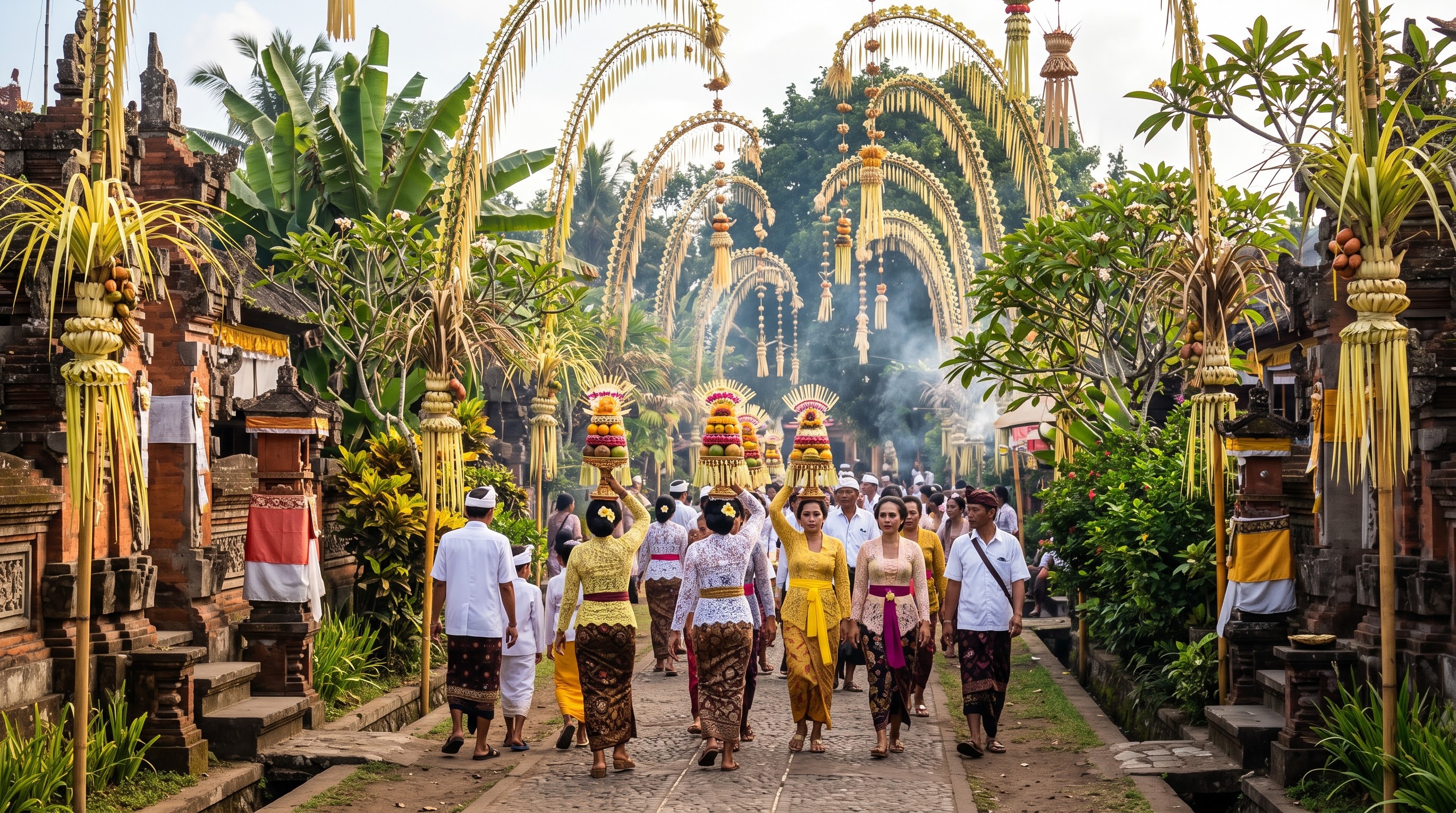
Bali is famously known as the "Island of the Gods," and for good reason. The daily life of the Balinese people is deeply intertwined with Hindu rituals, traditions, and spiritual beliefs. Unlike any other destination in the world, the island's calendar is governed by a complex system of sacred days that dictate everything from agricultural cycles to community gatherings. If you are visiting the island, understanding these ceremonies will give you a much deeper appreciation of its culture. Here are the most important Balinese holidays and ceremonies you should know about.
1. Nyepi (The Day of Silence)
Nyepi is perhaps the most unique holiday in the world. It marks the Balinese New Year (based on the Saka calendar) and is a day of absolute silence. For 24 hours, the entire island shuts down. No one travels, no lights are turned on, and the airport even closes for the day. The purpose is to trick evil spirits into thinking the island is deserted. Tourists are required to stay inside their hotels during this time. The day before Nyepi, you can witness the vibrant Ogoh-Ogoh parades, where massive, monstrous effigies are carried through the streets and later burned to purify the island from negative energies.
2. Galungan and Kuningan
Celebrated every 210 days on the Balinese Pawukon calendar, Galungan marks the victory of Dharma (good) over Adharma (evil). You will see beautifully decorated bamboo poles called Penjor lining the streets. It is a time when ancestors return to earth to visit their families. The celebration lasts for ten days, culminating in Kuningan. On Kuningan day, it is believed that the ancestral spirits ascend back to heaven. Families offer special yellow rice (nasi kuning), which symbolizes wisdom and prosperity, and pray for continuous blessings before midday, as the spirits are believed to leave at noon [citation:14].
3. Ngaben (Cremation Ceremony)
Ngaben is the Balinese Hindu cremation ceremony for the dead. It is not a time of deep mourning, but rather a celebration of the soul's release to the afterlife. The bodies are carried in elaborate, colorful wooden structures (called Bade) through the streets before being cremated. The ceremony is believed to be one of the most elaborate rites of passage, transforming the deceased into purified spirits whose assistance can be enlisted in human affairs [citation:4]. Tourists are generally allowed to watch respectfully from a distance.
4. Hari Raya Saraswati (The Day of Knowledge)
Saraswati is the goddess of knowledge, literature, science, and arts. Every 210 days, Balinese Hindus dedicate a day to honor books, manuscripts (lontar), and technology. On this day, books are placed on altars and blessed; no one is allowed to read or write, as it is a day of reflection on the importance of knowledge. This day marks the end of the Pawukon cycle and the beginning of a new one, serving as a reminder that knowledge must be used for dharma (goodness) [citation:8][citation:11].
5. Hari Raya Pagerwesi
Celebrated just four days after Saraswati, Pagerwesi is a day to strengthen the "iron fence" (pager wesi) of faith and spiritual protection against negative influences. The name comes from the words pager (fence) and wesi (iron), symbolizing a strong fortification against evil forces [citation:14]. It is a day of intense prayer and reflection, focusing on the triumph of spiritual wisdom over worldly desires, and is dedicated to Sang Hyang Pramesti Guru (Lord Shiva in his manifestation as the supreme teacher) [citation:6].
6. Siwaratri (The Night of Shiva)
Siwaratri is a day of introspection and spiritual awakening dedicated to Lord Shiva. Balinese Hindus spend the night fasting, praying, and staying awake to meditate. It is believed that staying awake all night in prayer purifies the soul and brings forgiveness for past mistakes. The word itself combines Siwa (kind-hearted, forgiving) and Ratri (night), meaning a night to melt away the darkness within oneself [citation:13].
Travel Tip: When visiting Bali during these ceremonies, always dress respectfully (wear a sarong and a sash). If you want to enter a temple, ensure you are wearing proper temple attire and never step in front of someone who is praying. During Nyepi, ensure you have sufficient food and supplies in your hotel, as everything is closed.
Want to experience the authentic side of Bali? Diwira Travel offers cultural tours that take you off the beaten path, visiting traditional villages and hidden temples with our local guides. Check out our Bali Tour Packages to start planning your journey.