Bali Temple Etiquette Guide & The Most Important Temples to Visit
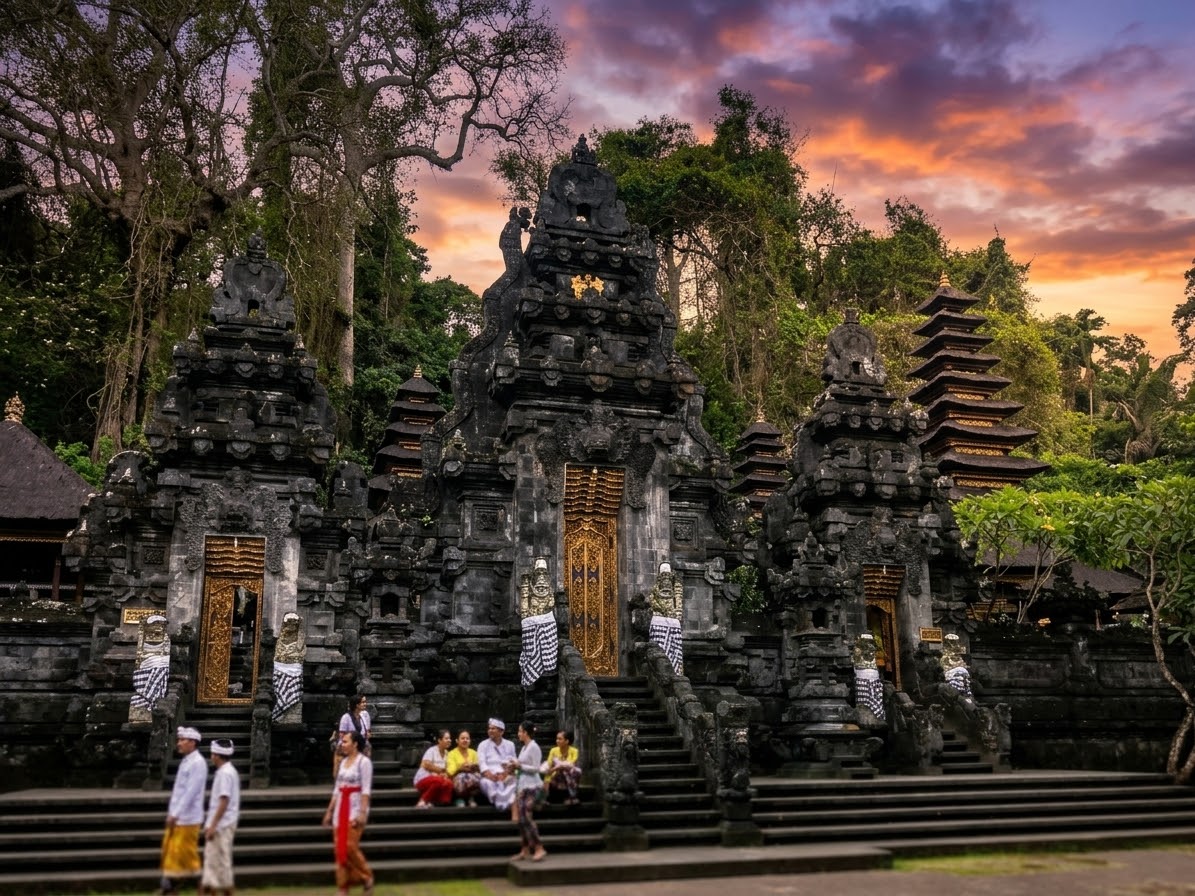
Bali is known as the "Island of the Gods," and temples (known locally as Pura) are the spiritual heartbeat of the island. With thousands of temples scattered across the landscape, visiting at least one is an essential part of any itinerary.
However, these are not just tourist attractions; they are active places of worship where locals pray daily. To ensure you have a respectful and enriching experience, it is crucial to understand the local customs. In this Bali travel guide, we cover the essential temple etiquette and list the most important temples you should not miss.
Essential Temple Etiquette in Bali
Following these rules is not just about being polite; it is about respecting the deeply rooted Hindu-Dharma culture of the Balinese people.
1. Dress Code: Sarong and Sash
This is non-negotiable. Both men and women must wear a sarong (a traditional wrap-around cloth) that covers the legs, and a sash (a cloth belt) tied around the waist.
- Men: Usually, a shirt and a sarong with a sash are sufficient. Ensure your shoulders are covered.
- Women: Shoulders should be covered. Note that women who are menstruating are traditionally not allowed to enter the temple grounds.
- Where to get them: Most major tourist temples provide sarongs for free or a small rental fee at the entrance. However, it is always better to buy your own or bring one from your hotel.
2. Respect the Sacred Space
- Do not step on offerings: You will see small woven baskets of flowers (canang sari) on the ground everywhere. Always walk around them, never on them.
- Do not enter inner sanctums: Many temples have inner courtyards reserved solely for prayers. Look for signs or observe where locals are walking; if a gate is closed, do not enter.
- Do not stand higher than the priest: If you are watching a ceremony, keep a respectful distance and lower your head if you need to walk past people who are praying.
- Pointing: Never point at religious figures or shrines with your index finger. If you must indicate something, use your open palm or nod your head in that direction.
3. Photography Rules
Photography is generally allowed in the outer courtyards, but always be mindful. Do not use drones without permission, and never take photos of people praying from a close distance or step in front of them to get a shot. If you want to photograph a priest or a specific ceremony, always ask for permission first.
The Most Important Temples to Visit in Bali
While there are thousands of temples, these are the most significant and accessible for travelers.
1. Pura Luhur Uluwatu (Uluwatu Temple)
Perched dramatically on a 70-meter cliff overlooking the Indian Ocean, Uluwatu is one of Bali's most iconic sea temples. It is famous for its stunning sunset views and the daily Kecak Fire Dance performed right next to the temple. Beware of the monkeys here—they are notorious for snatching sunglasses and phones!
2. Tanah Lot Temple
Located in Tabanan, this temple is uniquely situated on a rock formation surrounded by crashing waves. At low tide, you can walk across the water to the temple base. It is a photographer's paradise, especially during sunset.
3. Pura Tirta Empul (Holy Water Temple)
Located near Ubud, Tirta Empul is famous for its sacred spring water. It is a working temple where locals come to perform the Melukat purification ritual. You can participate in this ritual by lining up under the water spouts, but remember to wear a special sarong provided by the temple and follow the local instructions.
4. Pura Besakih (Mother Temple)
Located on the slopes of Mount Agung, Besakih is the largest and holiest temple complex in Bali. It consists of over 20 separate temples. While its size is impressive, it can be overwhelming, and you will likely need a local guide to navigate the complex and understand its history.
5. Pura Ulun Danu Beratan
This beautiful water temple is located in the highlands of Bedugul, on the shores of Lake Beratan. The temple is often shrouded in mist, giving it a mystical and serene atmosphere. The iconic multi-tiered shrines (meru) seem to float on the water.
When to Visit: Timing Your Temple Trip
To avoid the intense midday heat and the massive crowds from tour buses, it is highly recommended to visit major temples either early in the morning (before 9:00 AM) or late in the afternoon.
When planning your trip, remember that the best time to visit Bali for temple exploration is during the dry season (April to October). The clear skies provide beautiful lighting for photography, and you won't have to navigate muddy paths or heavy rain while wearing a sarong. If you happen to visit during a major ceremony like Galungan or Nyepi, the temples will be incredibly vibrant, but you must be extra respectful and careful not to disrupt the prayers.
Final Thoughts: Visiting a Balinese temple is a privilege. By observing the rules of etiquette and dressing appropriately, you show respect for the local culture and ensure that these sacred sites remain beautiful and welcoming for generations to come.