Hari Raya Galungan: A Guide to Bali's Most Important Religious Celebration
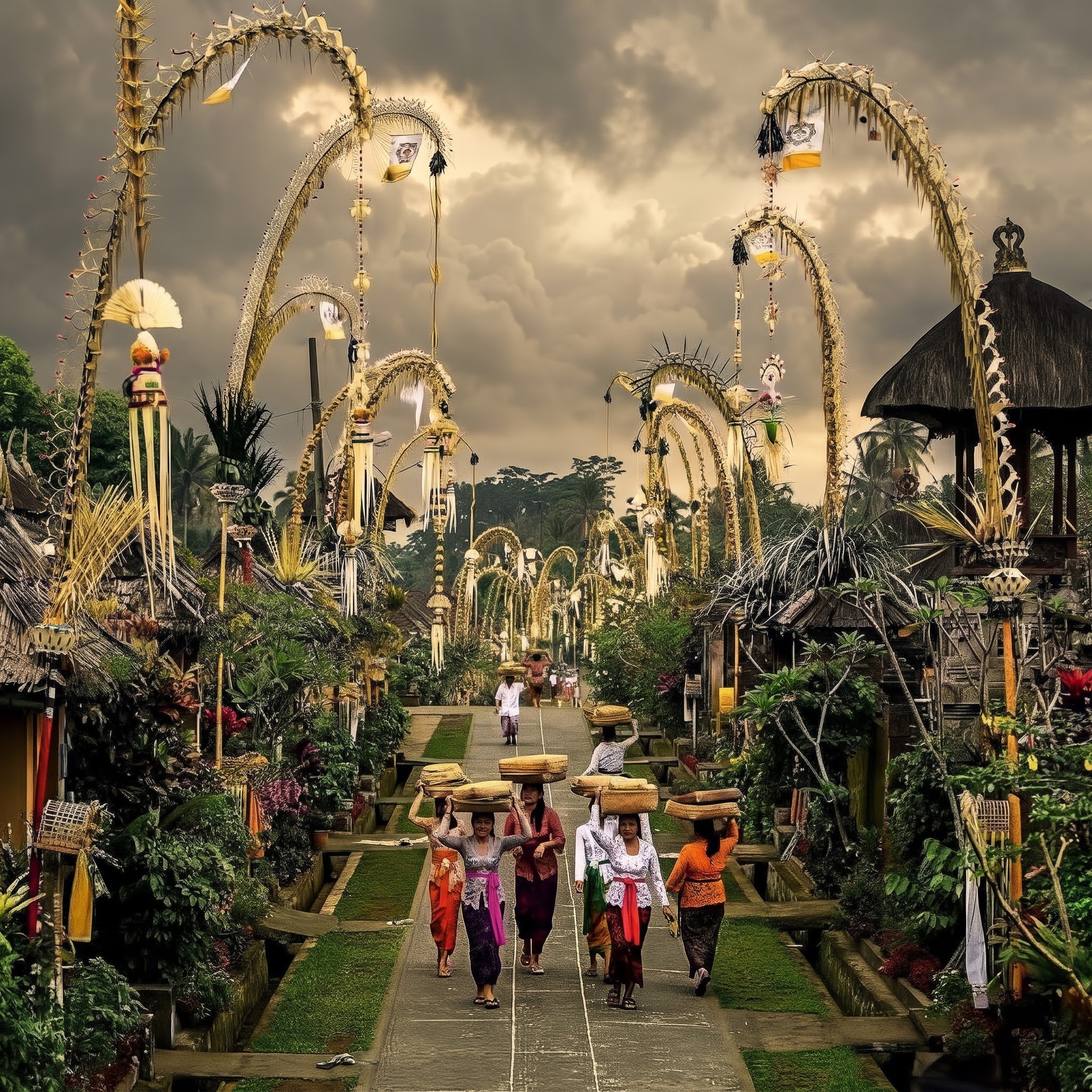
Bali is often called the "Island of the Gods," and there is no better time to witness its deep spiritual roots than during Hari Raya Galungan. This major Balinese Hindu festival celebrates the victory of Dharma (good) over Adharma (evil). If you are visiting Bali during this time, you are in for a spectacular cultural treat.
Unlike Nyepi (the Day of Silence), Galungan is a vibrant, bustling, and highly visual celebration. Here is your comprehensive guide to understanding and experiencing Hari Raya Galungan in Bali.
What is Hari Raya Galungan?
Galungan marks the time when the ancestral spirits (the gods and deceased relatives) return to earth to visit their living descendants. The festival is celebrated every 210 days according to the Balinese Pawukon calendar, usually falling on a Wednesday (Buda). It is a time of immense joy, family reunion, and deep gratitude.
The Iconic "Penjor": The Symbol of Galungan
The most striking visual aspect of Galungan is the Penjor. These are tall, beautifully decorated bamboo poles that curve gracefully at the top. They are erected on the right side of every house entrance, street, and village path.
- What they represent: Penjors symbolize Mount Agung (the sacred mountain) and represent the bounty of the earth and gratitude to the gods.
- What's on them: They are adorned with coconut leaves, rice stalks, fruits, and small offerings. You will see thousands of these lining the roads, creating a stunning photo opportunity.
Key Days of the Galungan Celebration
The celebration doesn't just happen in one day. It is a series of events spanning over several weeks:
1. Penyekeban (3 Days Before)
This is the time when families begin their preparations. Fruits, especially bananas, are placed in clay pots to ripen, and families start making traditional Balinese cakes and offerings.
2. Penampahan (1 Day Before)
Literally meaning "slaughter day," this is when families prepare the meat for the feast. It is also a day to clean the house, put up the Penjor, and finalize the offerings. In the evening, a ritual called Ngelawang takes place, where children dressed as Barong (a mythical lion-like creature) go from house to house to ward off evil spirits.
3. Galungan Day (The Main Event)
On this day, families dress in their finest traditional white clothing and visit their family temples and village temples to pray and present offerings. The atmosphere is vibrant, with the sound of gamelan music and the scent of incense filling the air.
4. Manis Galungan (1 Day After)
The day after the main festival is dedicated to visiting relatives and enjoying family time. Many tourist attractions and shops may be closed on this day as locals spend time with their families.
5. Kuningan (10 Days After)
The celebration concludes with Kuningan, which marks the end of the ancestral spirits' visit. It is a time of final prayers and ceremonies before the spirits return to the spiritual realm.
What to Expect as a Tourist
If you are in Bali during Galungan, here are a few things to keep in mind:
- Roads will be busy: Expect traffic, especially near temples and traditional villages in Ubud, Tabanan, and Karangasem.
- Some businesses close: Many local businesses, government offices, and some restaurants (especially local ones) will be closed, particularly on Galungan and Manis Galungan. However, tourist-heavy areas like Seminyak and Canggu usually remain largely open.
- Dress respectfully: If you plan to watch the ceremonies at a temple, ensure you wear a sarong and a sash (usually provided at the temple entrance). Never stand higher than a priest or the offerings.
- Amazing Photography: The Penjors make for incredible photography. The best time to capture them is early morning or during golden hour.
Why You Should Experience It
Hari Raya Galungan is not just a religious event; it is a massive communal celebration that showcases the heart of Balinese culture. The dedication of the locals to their traditions, the beauty of the offerings, and the overwhelming sense of community make it an unforgettable experience for any traveler lucky enough to witness it.