Mekare-kare Festival: Witnessing the Sacred Pandan War in Tenganan
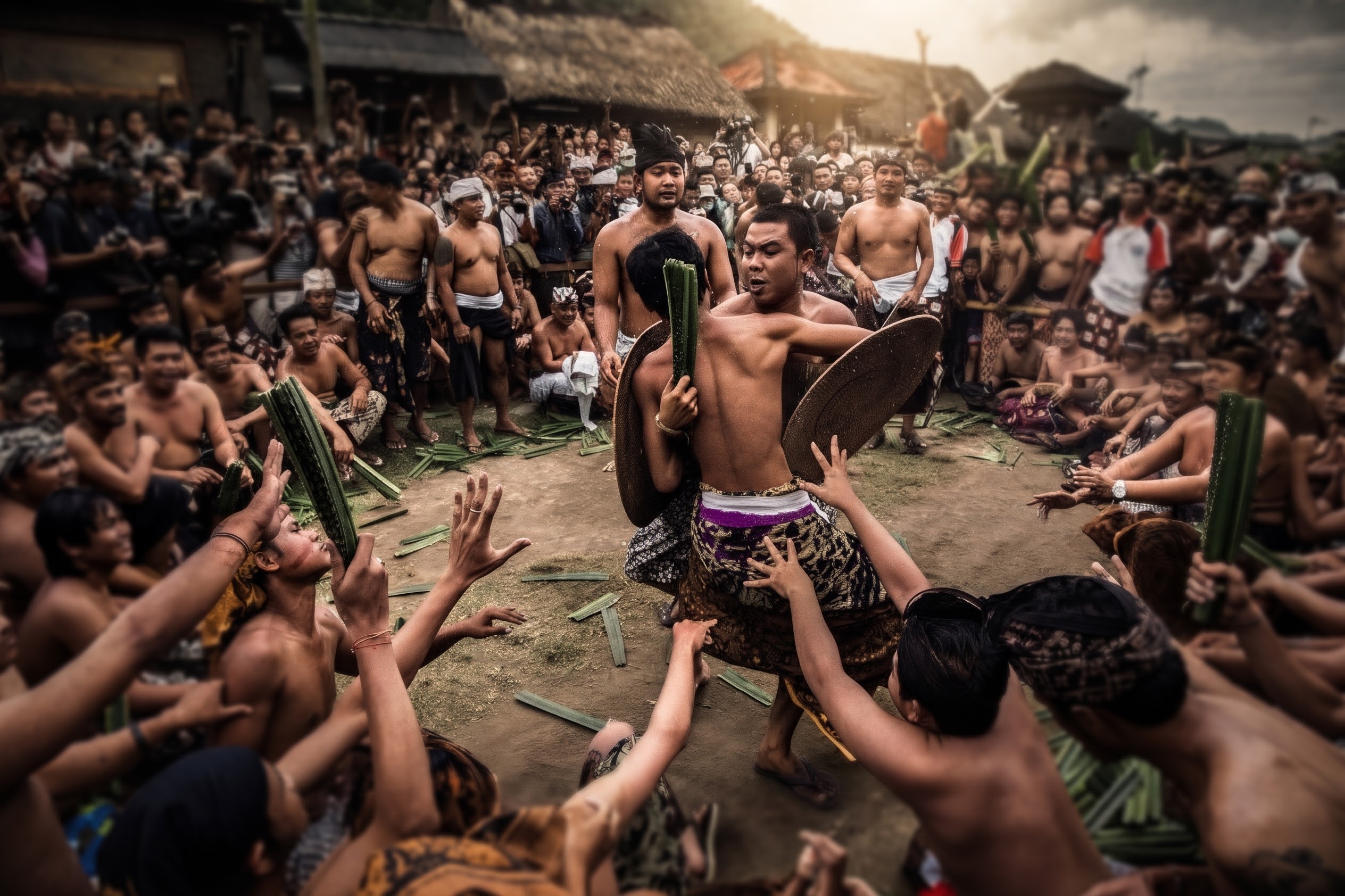
Bali is renowned for its stunning beaches and vibrant tourism, but the true soul of the island lies in its ancient traditions. One of the most fascinating and visually striking cultural events you can witness is the Mekare-kare festival, also known as the Perang Pandan (Pandan War).
Unlike any other festival in Bali, this sacred ritual takes place in the ancient Tenganan Pegringsingan village, home to the Bali Aga—the original, pre-Hindu inhabitants of Bali. If you are seeking an authentic, off-the-beaten-path cultural experience, this is it.
What is Mekare-kare?
Mekare-kare is a ritualistic "war" where participants engage in a friendly duel using bundles of thorny pandan leaves as weapons and a rattan shield for defense. It is not a fight of anger or hostility, but rather a profound symbol of honor, bravery, and brotherhood.
This tradition is a core part of the larger Usaba Sambah ceremony, an annual thanksgiving ritual held in Tenganan. It is performed as a tribute to Dewa Indra, the Hindu god of war, and serves as a rite of passage for the young men of the village, teaching them responsibility and courage .
The Sacred Ritual and Its Meaning
While it looks intense, the philosophy behind Mekare-kare is deeply rooted in harmony. Here is a breakdown of the event's significance:
- A Test of Courage: The ritual is a physical and mental training ground for the youth. By enduring the stings of the pandan thorns without crying out, they prove their readiness to defend their family and village .
- No Resentment: The most beautiful aspect of this festival is what happens afterward. Once the fighting stops, all participants—including those who shed blood—embrace each other. There is no lingering anger; the wounds are seen as symbols of honor, not defeat .
- The Healing Boreh: After the duel, the young women of the village apply a traditional herbal remedy called boreh (made from turmeric and other ingredients) to the wounds. This not only soothes the skin but also symbolizes care and community support ..
- Megibung (Communal Eating): The event concludes with a massive communal feast, reinforcing the bonds of kinship and unity among the villagers and guests .
When and Where Does It Happen?
The Mekare-kare festival is held annually, typically around June, depending on the traditional Balinese calendar. It takes place in the Tenganan Pegringsingan village, located in the Manggis district of Karangasem Regency, East Bali .
In recent years, the ritual has been integrated into the Tenganan Pegringsingan Culture Festival, which features additional cultural performances, traditional culinary delights, and workshops on weaving the famous Geringsing cloth .
What to Expect as a Visitor
Watching Mekare-kare is an unforgettable experience, but it requires preparation and respect. Here are some practical tips:
1. Getting There
Tenganan is about a 1.5 to 2-hour drive from the main tourist hubs like Ubud or Seminyak. There is no public transportation, so hiring a private driver or joining a tour is the most convenient option .
2. Be Prepared for Crowds
This event has become increasingly popular with both domestic and international tourists. The arena can get very crowded, with spectators jostling for the best view. Arrive early to secure a good spot, and be prepared for some pushing ..
3. Participate (If You Dare)
Incredibly, tourists are often allowed to participate in the ritual if they wish. However, you must follow the rules and act respectfully. If you are not comfortable being hit by thorny leaves, it is perfectly fine to just watch ..
4. Dress Respectfully
Remember that you are visiting a sacred village. Wear modest clothing, bring a sarong, and respect the local customs. Photography is allowed, but always be mindful of the participants' space.
Beyond the War: The Tenganan Village
While Mekare-kare is the main draw, take time to explore the village itself. Tenganan is famous for its unique architecture and the rare Geringsing double ikat cloth, which is believed to have magical protective properties. Visiting the village offers a rare glimpse into the ancient, pre-Majapahit way of life that has survived for centuries .
Final Thoughts: The Mekare-kare festival is a powerful reminder that Bali's culture is not just a backdrop for tourism—it is a living, breathing tradition. If your travels align with this event, do not miss the chance to witness this extraordinary display of bravery and brotherhood.