Saraswati Day in Bali: Honoring the Goddess of Knowledge and Wisdom
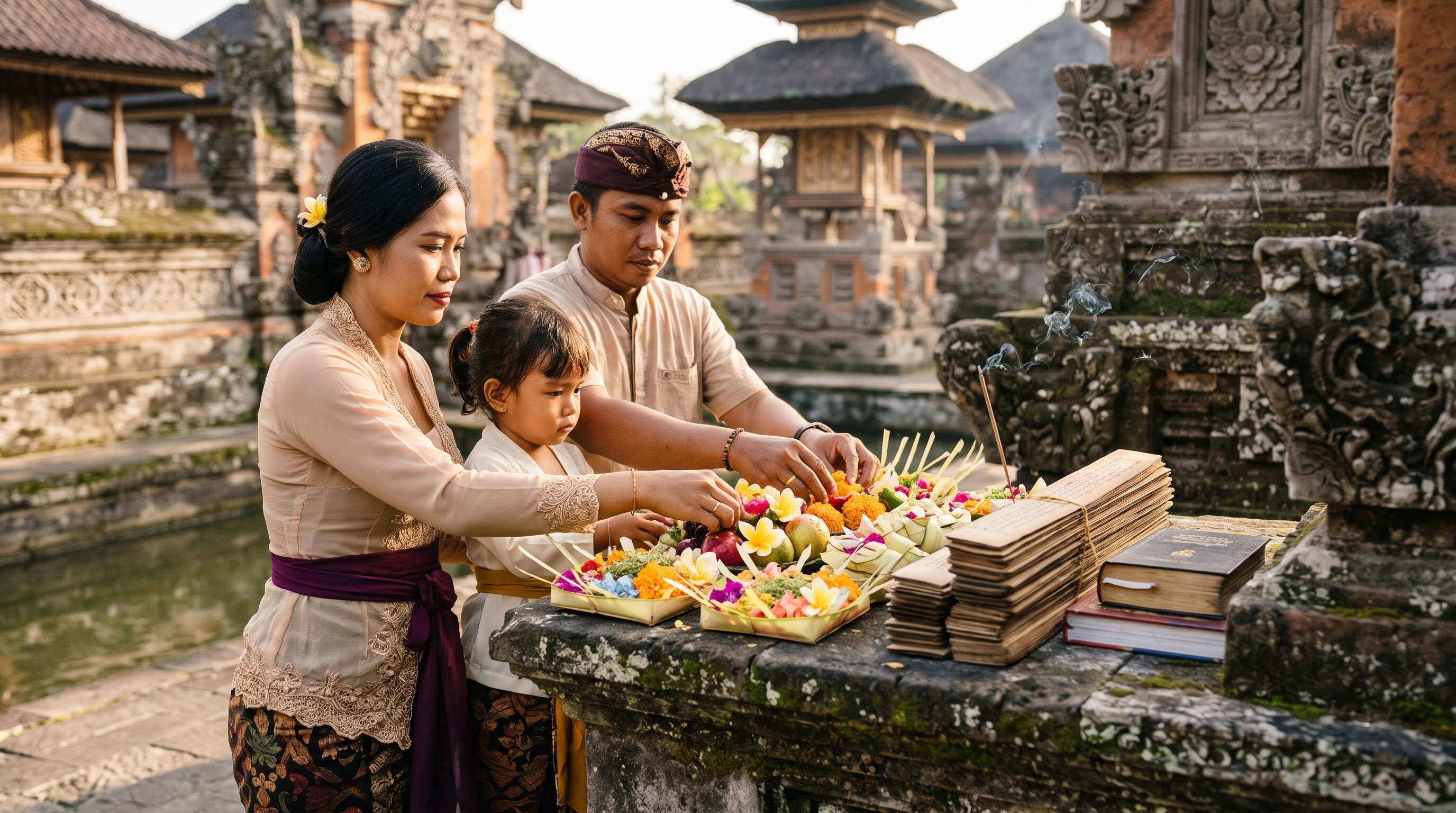
If you happen to be traveling in Bali during a particularly serene Saturday, you might notice students dressed in traditional white attire, solemnly carrying stacks of books to their schoolyards or local temples. This is a sign that you are witnessing Saraswati Day, one of the most important spiritual observances in the Balinese Hindu calendar. Dedicated to the Goddess of Knowledge, this holy day is a profound reflection of the Balinese people's deep reverence for education, wisdom, and the arts.
What is Saraswati Day?
Saraswati Day is celebrated every 210 days according to the Balinese Pawukon calendar, specifically on Saniscara Umanis Wuku Watugunung. It marks the day when knowledge descended to the world, personified by Dewi Saraswati, the goddess of science, literature, and the arts. In Balinese Hinduism, knowledge is considered a divine gift that must be used for dharma (righteousness) and the betterment of humanity.
Dewi Saraswati is traditionally depicted as a beautiful woman with four arms, each holding a symbolic object: a lontar (palm-leaf manuscript) representing the pursuit of knowledge, a lotus flower symbolizing purity, a genitri (prayer beads) signifying lifelong learning, and a musical instrument representing the harmony of wisdom.
The Sacred Rituals of Saraswati Day
What makes Saraswati Day truly unique is the way knowledge itself is honored. On this day, books, sacred scriptures, and writing tools are not read or written upon. Instead, they are carefully collected, arranged on altars, and blessed with holy water and offerings. This practice symbolizes that the books are "resting" and being purified, reminding the faithful to reflect on the knowledge they have acquired rather than simply consuming more.
Families and students bring special offerings called banten Saraswati, which typically include fruits, colorful flowers, traditional cakes, and holy water. These offerings are placed at home shrines, in schools, libraries, and temples as a gesture of gratitude for the gift of learning.
Where to Witness Saraswati Day in Bali
While the celebration is held across the island, several temples are particularly vibrant during this holy day:
- Pura Agung Jagatnatha (Denpasar): The most prominent temple in the capital, it is always crowded with thousands of students and families, especially from the morning until late at night.
- Pura Besakih (Karangasem): The "Mother Temple" of Bali offers a majestic and spiritual atmosphere for Saraswati prayers.
- Pura Taman Ayun (Mengwi): Known for its beautiful moat and gardens, this temple provides a serene setting for reflection.
- Pura Luhur Uluwatu: If you are in the south, you can combine the spiritual experience with the temple's iconic cliffside ocean views.
Banyu Pinaruh: The Day After
The spiritual journey does not end on Saraswati Day. The following morning, Balinese Hindus observe Banyu Pinaruh, a ritual of self-purification. People flock to beaches, rivers, and sacred springs to bathe and cleanse themselves both physically and spiritually. The word Banyu means water, and Pinaruh derives from pinaur (knowledge), symbolizing the cleansing of the mind to receive wisdom. After the purification, families often enjoy a special breakfast together, marking a fresh start with a clear mind.
Experience the Spiritual Side of Bali with Diwira Travel. If your visit coincides with Saraswati Day, our local guides can help you respectfully observe the ceremonies at the island's most sacred temples. From cultural tours to private temple visits, we ensure a meaningful and enriching experience. Explore our Bali Tour Packages or contact us to customize your journey.